

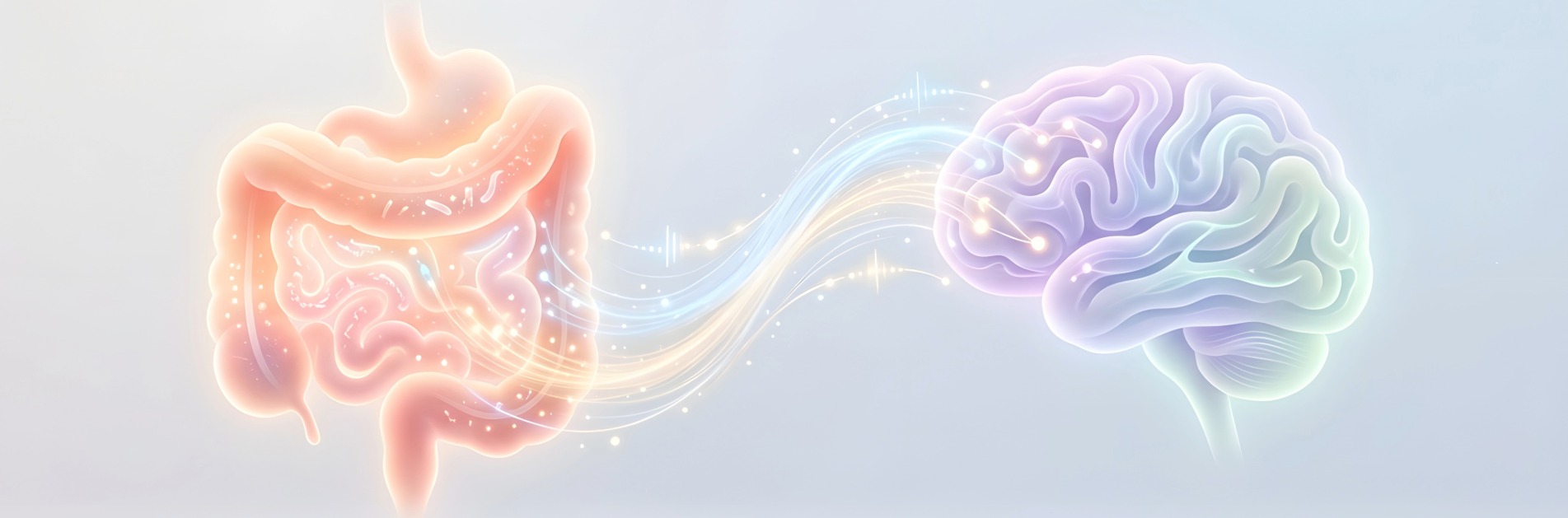
For most of modern healthcare, the mouth has been treated as a self-contained department. The dentist handles the teeth. The cardiologist handles the heart. The gastroenterologist handles the gut. The neurologist handles the brain. The endocrinologist handles the hormones. Each specialty is excellent at what it does. The problem is that the human body does not come apart neatly along those lines, and the mouth, in particular, sits upstream of all of them.
The last two decades of peer-reviewed research have made this difficult to ignore. Oral bacteria have been found inside atherosclerotic plaques in human arteries. Chronic gum disease has been linked to a six-fold increase in the rate of cognitive decline in Alzheimer’s patients. The oral microbiome continuously seeds the gut microbiome through swallowed saliva. Hormonal shifts in women influence gum tissue, and gum inflammation in turn influences hormonal and metabolic health. Each of these connections has been published. None of them is being taken seriously enough in day-to-day care.
At ROZE BioHealth and BioDental Clinics in Dubai, this is not an emerging story. It is the architecture of how we practice. This article explains why the mouth is biologically upstream of the heart, brain, gut, and hormones, what the current evidence actually shows, and why isolated dental care, however technically excellent, has always been clinically incomplete.
The Core Idea in One Line
The mouth is a biological interface, not a sealed compartment. What happens inside it, in the microbiome, the gums, the materials, the airway, and the inflammation, does not stay inside it. It travels. It accumulates. And over decades, it quietly shapes the trajectory of some of the most important systems in the body.
Once this is understood, the question stops being “is my dental work independent of my overall health?” and becomes “how is my dental biology shaping everything else?”
Why the Mouth Is Uniquely Positioned to Influence the Rest of the Body
Four features of the mouth make it unlike any other site in the body:
- It is one of the most microbially dense environments in the body, hosting over 700 identified bacterial species in a complex ecosystem.
- It drains continuously into the gut. Adults swallow one to two litres of saliva per day, delivering the oral microbiome directly into the digestive tract.
- It is highly vascularised. The soft tissues of the mouth and gums are richly supplied with blood vessels, so anything absorbed into them enters systemic circulation quickly.
- It is in near-constant mechanical and immunological activity. Chewing, speaking, brushing, flossing, and dental procedures all create micro-breaches that allow bacteria into the bloodstream.
Combined, these features make the mouth one of the most important upstream drivers of systemic biology that medicine has, and one of the least routinely assessed through that lens.
Upstream of the Heart
Cardiovascular disease remains the leading cause of death worldwide. The familiar risk factors (cholesterol, blood pressure, smoking, diabetes, obesity, stress) explain much of the picture. They do not explain all of it.
Meta-analyses published in 2023 and 2024 have shown that periodontitis independently increases the risk of coronary heart disease, myocardial infarction, stroke, and peripheral arterial disease, even after adjusting for traditional risk factors. Patients with periodontitis show roughly a 1.27-fold higher prevalence of atherosclerosis compared with those without it.
The mechanism is now well characterised. Chronic gum inflammation elevates systemic inflammatory markers (IL-1β, IL-6, TNF-α, CRP), the same markers cardiologists track when assessing long-term cardiovascular risk. Oral bacteria, especially Porphyromonas gingivalis, enter the bloodstream through inflamed gum tissue, embed in arterial walls, and have been physically isolated from carotid, coronary, and femoral artery tissue, as well as from thrombus specimens of patients with acute heart attacks. Research published in Signal Transduction and Targeted Therapy in 2025 has shown P. gingivalis actively destabilising atherosclerotic plaques, the exact biological event that triggers most heart attacks.
Periodontal treatment, in turn, reduces cardiovascular risk biomarkers. A systematic review found that non-surgical periodontal therapy reduced CRP in 77.8 percent of trials, IL-6 in 100 percent, and TNF-α in 66.7 percent.
Treating the mouth is not a parallel activity to cardiology. It is upstream of it.
Upstream of the Brain
The mouth-brain connection has moved from fringe hypothesis to active neuroscience in less than ten years.
The landmark 2019 study by Dominy and colleagues in Science Advances identified Porphyromonas gingivalis DNA and its toxic gingipain enzymes in approximately 96 percent of Alzheimer’s brain samples examined, concentrated in the hippocampus. Gingipain levels correlated with tau and ubiquitin pathology, hallmarks of Alzheimer’s neurodegeneration. Subsequent work confirmed that P. gingivalis can invade neurons directly, and gingipain inhibitors are now progressing through Alzheimer’s clinical trials.
Clinical cohort data reinforces the mechanism. A 2016 prospective study published in PLOS ONE found that the presence of periodontitis was associated with a six-fold increase in the rate of cognitive decline over six months in patients with mild to moderate Alzheimer’s disease.
The biological pathway is also plausible beyond bacteria. Mercury vapor from amalgam fillings can cross the blood-brain barrier, as documented in peer-reviewed toxicology reviews. Chronic oral inflammation feeds systemic inflammaging, a core mechanism in neurodegeneration. Mouth breathing and airway-related sleep disturbances damage cognition through poor sleep architecture and reduced oxygenation.
Isolated dental care misses every one of these threads.
Upstream of the Gut
Of all the mouth-body connections, the mouth-gut axis may be the most mechanically direct, and the most quietly powerful.
Every day, adults swallow one to two litres of saliva. That saliva carries the oral microbiome directly into the gut. What lives in the mouth populates the digestive tract. A dysbiotic mouth seeds a dysbiotic gut. Chronic gum inflammation adds inflammatory mediators to that cascade. Cavity-forming and gum-disease bacteria have been detected in gut samples, in atherosclerotic plaques, and even in colon tumours.
The implications for clinical practice are significant. Patients with persistent IBS, bloating, food sensitivities, chronic inflammation, or stubborn nutrient absorption problems are often working downstream on a problem that originates upstream. Low ferritin, for example, is frequently a gut absorption problem driven by hepcidin-mediated inflammation. That inflammation often starts in the mouth.
A functional gastroenterology lens that does not look at the mouth is incomplete. A dental lens that does not consider the gut is equally incomplete.
Upstream of Hormones
The mouth-hormone connection runs in both directions, and this bidirectional nature is why it is so often missed.
Hormones influence the mouth. Puberty, menstruation, pregnancy, perimenopause, and menopause all change the state of the gums, the saliva, and the oral microbiome. Pregnancy gingivitis is well recognised. Postmenopausal women have higher rates of periodontal disease and bone loss in the jaw. Oral contraceptive users show distinct patterns of gingival response. Thyroid imbalances alter saliva flow, taste, and gum behaviour.
But the mouth also influences hormones. Chronic oral inflammation contributes to systemic inflammation, which disrupts the HPA axis (the body’s main stress-hormone pathway), impairs insulin sensitivity, and interacts with thyroid function. The oral microbiome, through the gut-microbiome and estrobolome, influences estrogen metabolism. Sleep-disordered breathing, which is often rooted in oral and craniofacial biology, disrupts cortisol rhythms, growth hormone release, and reproductive hormones.
For women navigating fertility, PCOS, perimenopause, menopause, or thyroid issues, the mouth is one of the quietest and most under-assessed inputs into their hormonal health. For men navigating andropause, metabolic health, or insulin resistance, the same applies.
Why Treating the Mouth in Isolation Was Never Going to Work
Looking at the four connections together, the limitations of isolated dental care become clear:
- A patient treated for cavities and cleanings alone, with no attention to gum microbiome balance, is being prepared for silent cardiovascular inflammation decades before any cardiologist will meet them.
- A patient receiving routine root canals and crowns without biological assessment of chronic apical infection, materials, or inflammation markers is accumulating a brain-health burden they will never see on a dental chart.
- A patient whose oral microbiome is being disrupted by alcohol-based mouthwashes, acidic diets, antibiotics, or chronic inflammation is quietly rewriting their gut microbiome at the same time.
- A woman going through perimenopause whose gum tissue is changing, whose saliva flow is reduced, and whose inflammation markers are rising is not simply having a “dental issue.” She is seeing a hormonal transition expressed in the mouth, and amplified from the mouth back into her hormonal system.
Each of these patterns is clinically preventable. None of them is addressed by dentistry alone.
Isolated vs Integrated Care: A Clear Comparison
| Aspect | Isolated Dental Care | Integrated Biological Care at ROZE |
|---|---|---|
| View of the mouth | Self-contained | Upstream biological interface |
| Gum disease | Local issue | Systemic inflammatory driver |
| Materials | Metal alloys and amalgam accepted | Metal-free, biocompatible only |
| Root-treated teeth | “Sealed and done” | Monitored for silent chronic infection |
| Oral microbiome | Rarely discussed | Central to planning |
| Airway and breathing | Rarely assessed | Routinely screened |
| Hormonal context | Not considered | Factored into timing and planning |
| Gut and nutrition | Not considered | Integrated with functional medicine |
| Cognitive and cardiovascular implications | Not raised | Part of long-term planning |
| Overall framing | A set of procedures | A long-term biological strategy |
What an Integrated Clinical Model Actually Looks Like
ROZE was built specifically to deliver on this picture, not just talk about it. In practical terms, this means:
- Biological dentistry across every treatment room, with metal-free materials, biocompatible restorations, SMART amalgam removal, ceramic implants, ozone therapy, and PRF-supported healing
- Regenerative endodontics where clinically appropriate, to preserve biological vitality rather than default to inert canal filling
- Comprehensive airway and breathing assessment across paediatric, orthodontic, and adult care
- Functional medicine integration through Dr. Sindy Yambo, so patients can address gut health, inflammation, hormones, longevity, and nutrition in coordinated plans
- Biological physiotherapy with Sandra Serrano, supporting lymphatic drainage, vagus nerve regulation, and chronic inflammation
- Traditional Chinese Energetics Therapy with Martial Nesselbusch for stress, emotion, and energetic balance
- Longevity and peptides medicine through Dr. Sindy Yambo for patients focused on healthspan
- Specialist paediatric dentistry that assesses airway, feeding, tongue function, and microbiome from the first visit onward
- Specialist orthodontics that treats alignment as a function of airway, growth, and whole-body posture, not simply as cosmetics
This is what mouth-first systemic care actually looks like. It is one coherent clinical environment, not a series of separate appointments.
Why This Matters in Dubai
Dubai is one of the most ambitious, high-performing cities in the world. Long working hours, frequent travel, climate-driven indoor living, sleep disruption, high rates of GLP-1 medication use, and the persistent pressure of professional life all accelerate the underlying biology of chronic inflammation, cardiovascular risk, cognitive strain, gut dysregulation, and hormonal disruption.
At the same time, Dubai’s population is increasingly health-literate, wellness-driven, and open to preventive, personalised care. Integrated biological dentistry fits this context precisely. It offers a structured, science-led path to protecting the systems that matter most, delivered through experienced clinicians in a single clinical environment.
Practical Takeaways for Patients
A short list of what every adult patient can act on:
- Treat gum inflammation seriously. Bleeding gums are not normal. They are a systemic signal.
- Reassess older dental work. Old amalgams, old crowns, root canal history, and existing implants all deserve a biological review.
- Ask about your airway. Mouth breathing, snoring, clenching, and poor sleep are not small issues.
- Care about your oral microbiome. Avoid aggressive alcohol-based mouthwashes. Favour hydroxyapatite-based oral care. Reduce frequent snacking that disrupts the oral pH.
- Connect the dots across your care. Your cardiologist, gastroenterologist, endocrinologist, and dentist should all be working from the same understanding of your mouth.
- Choose biology. Biocompatible materials, ceramic implants, ozone therapy, PRF, and minimally invasive dentistry compound in value over decades.
- Prioritise prevention. The earliest, cheapest, gentlest intervention is almost always the best.
Risks and Considerations
Honest expectations serve every patient well:
- Biological dentistry is precautionary, not alarmist. The aim is to reduce avoidable lifelong risk, not to catastrophise.
- Not every patient with dental issues develops downstream disease. Individual biology varies significantly.
- Integrated care works alongside conventional medicine, not instead of it. Any suspected systemic disease requires conventional medical assessment.
- The strongest results come from coordinated, patient-specific plans, not isolated procedures.
- Change takes time. The upstream model works over months and years, not days.
Frequently Asked Questions
What does “the mouth is upstream of the body” actually mean?
It means that the biological state of the mouth, its microbiome, inflammation, materials, airway, and infections, is one of the earliest and most consistent influences on systemic health. What happens in the mouth tends to show up elsewhere in the body before anyone looks for it there.
How does gum disease affect the heart?
Through chronic systemic inflammation, direct bacterial invasion of arterial walls (particularly by P. gingivalis), and immune dysregulation that promotes atherosclerosis and plaque instability.
How does the mouth affect the brain?
Through P. gingivalis and its gingipain toxins now identified in Alzheimer’s brains, through chronic oral inflammation driving cognitive decline rates, through mercury vapor crossing the blood-brain barrier, and through airway and sleep effects on cognition.
How does the mouth affect the gut?
Through continuous swallowing of saliva that seeds the gut microbiome, and through systemic inflammation from chronic gum disease that influences gut immunity, hormonal regulation, and nutrient absorption.
How does the mouth affect hormones?
Through bidirectional effects: hormones shape gum tissue and saliva flow across the female lifespan, while chronic oral inflammation disrupts HPA axis, insulin sensitivity, thyroid function, and estrogen metabolism via the gut.
Is biological dentistry the same as holistic dentistry?
There is significant overlap. Biological dentistry is a scientifically grounded, systemic approach to dental care that emphasises biocompatibility, minimal invasiveness, and awareness of oral-systemic connections.
Is it worth seeing a biological dentist if I feel fine?
Yes, particularly for preventive assessment. Most of the systemic connections described above are driven by silent, painless, slow-moving processes that are easier to prevent than to reverse.
Does ROZE combine dental care with functional medicine?
Yes. ROZE is built specifically around the integration of biological dentistry with functional medicine, longevity care, biological physiotherapy, and integrative therapies, within one clinical environment.
Where in Dubai is ROZE located?
ROZE operates MOH-approved clinics in Jumeirah, DIFC, and The Greens.
How do I start?
A comprehensive consultation is the simplest starting point. From there, a personalised plan can be built that considers your mouth, your systemic health, your goals, and the stage of life you are in.
A Final Thought
The old model of dentistry treated the mouth as a self-contained world. The emerging model treats it as the biological interface it has always been, upstream of the heart, the brain, the gut, and the hormones. The science supporting this shift is no longer thin. It is substantial, consistent, and growing.
If you have been quietly wondering whether your dental history, your gum inflammation, your old amalgams, or your airway might be shaping more of your health than anyone has told you, you are asking the right question. The ROZE BioHealth and BioDental team in Dubai would be glad to walk you through what an integrated, upstream approach to your own biology could look like. Because the most powerful thing you can do for your heart, your brain, your gut, and your hormones may already be sitting inside your mouth, waiting to be noticed.