

Clinically reviewed by the BioHealth team at ROZE BioHealth and BioDental Clinics, Dubai.
Are you often tired, cold, weak or short of breath? Have you noticed increased hair shedding, or been told that your ferritin is low?
The usual advice is simple: take iron. But what happens when you have taken supplements for months and your ferritin still barely improves?
Low ferritin does not always mean that you simply need a higher dose. Poor absorption, ongoing blood loss, inflammation, digestive problems, nutrient imbalances or the type of iron you take may all affect your ability to rebuild iron stores.
At ROZE BioHealth, our functional medicine team looks beyond a single laboratory value to investigate the factors that may be contributing to persistent low ferritin.
Ferritin Is Only One Part of the Picture
Ferritin reflects the body’s iron stores, but it should not always be interpreted in isolation. Depending on your symptoms and medical history, a more complete assessment may include:
- Ferritin
- Serum iron
- Transferrin or total iron-binding capacity (TIBC)
- Transferrin saturation
- Complete blood count (CBC) and red blood cell indices
- C-reactive protein (CRP) and other inflammation markers, when appropriate
Together, these results can help distinguish true iron deficiency from other patterns, including inflammation that changes how iron is stored and made available to the body.
Iron Needs More Than Iron
The body relies on several nutrients to transport, regulate and use iron effectively.
- Copper
- Copper-dependent proteins help move iron into the circulation and make it available to tissues. Inadequate copper status may therefore be relevant when iron markers do not respond as expected.
- Vitamin A
- Vitamin A contributes to normal iron mobilisation and red blood cell production. When clinically appropriate, its status may be considered as part of a broader nutritional assessment.
- Zinc and Copper Balance
- Zinc is essential, but more is not always better. Long-term, high-dose zinc supplementation can reduce copper absorption and contribute to copper deficiency.
- This may be particularly relevant for people who began taking high doses of zinc during the COVID-19 period and continued without monitoring. Zinc and copper should be considered together rather than viewed in isolation.Other nutrients, including vitamin B12, folate and vitamin C, may also be relevant depending on the individual’s clinical picture.
Your Gut Can Affect Iron Absorption
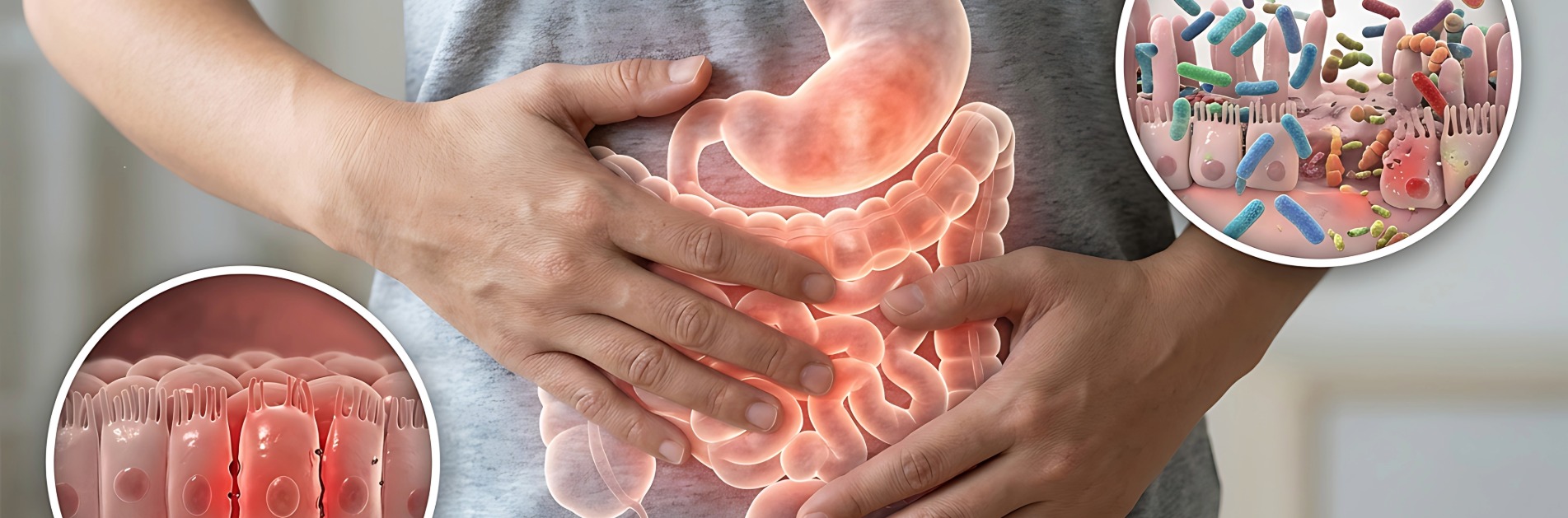
Iron is absorbed mainly in the duodenum and upper small intestine. Digestive health can therefore have a direct effect on nutrient absorption.
Conditions or factors that may contribute to low iron stores include:
- Helicobacter pylori (H. pylori) infection
- Coeliac disease
- Chronic intestinal inflammation
- Small intestinal bacterial overgrowth (SIBO)
- Certain gastrointestinal infections
- Impaired digestion
- Disorders affecting the stomach or small intestine
- Gastrointestinal blood loss
Inflammation can also increase a hormone called hepcidin. Hepcidin acts like an iron gatekeeper: when levels rise, less iron may be absorbed from the intestine and released into circulation.
Sometimes the question is not simply, “Am I taking enough iron?” It is, “Is my body able to absorb, transport and use it effectively?”
Could SIBO Be Part of the Problem?
SIBO occurs when an excessive or altered population of bacteria develops in the small intestine. It may be associated with bloating, excessive gas, abdominal discomfort, diarrhoea, constipation, food intolerance or changes in bowel habits.
Because the small intestine plays a major role in digestion and nutrient absorption, persistent digestive symptoms deserve attention when nutritional deficiencies are difficult to correct.
When the clinical picture suggests SIBO, our team may recommend a hydrogen and methane breath test. Not every person with low ferritin needs this test; testing should always be guided by symptoms, medical history and clinical judgement.
Looking Deeper into Gut Health
In selected cases, the functional medicine team may consider an advanced stool assessment such as Gut Zoomer. Depending on the panel used, it may provide information about:
- Gut microbiome composition
- Beneficial and potentially problematic microorganisms
- Parasites and other gastrointestinal pathogens
- Digestive function
- Inflammatory and immune-related markers
- Other markers associated with the intestinal environment
This type of assessment may help identify gastrointestinal imbalances that could be contributing to symptoms or difficulty maintaining nutrient levels. It is not required for every patient and should be recommended only when clinically appropriate.
Not All Iron Supplements Are the Same
Some conventional iron preparations may cause constipation, nausea, abdominal discomfort, digestive irritation or dark stools.
Different forms of iron have different absorption and tolerability profiles. Taking a larger dose does not necessarily mean that more iron will be absorbed, and may increase side effects.
At ROZE BioHealth, we consider:
- Whether iron supplementation is appropriate
- Which form may be best tolerated
- The appropriate dose and timing
- Possible interactions that may reduce absorption
- The underlying reason iron stores became low
A More Complete Functional Medicine Assessment
For persistent or recurrent low ferritin, our approach may explore six key questions:
- Is there true iron deficiency? We interpret ferritin alongside the complete iron profile and blood count.
- Is there ongoing blood loss? Heavy menstrual bleeding, gastrointestinal bleeding and other causes must be considered.
- Is inflammation affecting iron availability? Inflammation and hepcidin may alter iron absorption and utilisation.
- Is the digestive system absorbing nutrients effectively? Symptoms may indicate the need to assess for H. pylori, coeliac disease, SIBO or other gastrointestinal conditions.
- Are relevant nutritional cofactors balanced? Copper, zinc, vitamin A, B12, folate and other nutrients may be considered when appropriate.
- Is the supplement suitable for the individual? Form, dose, timing, tolerance and interactions all matter.
The aim is not to order every possible test. It is to select the investigations that answer the right clinical questions for you.
When Ferritin Does Not Improve, Ask Why
If your ferritin remains low despite supplementation, it may be worth asking:
- Am I absorbing the iron effectively?
- Could inflammation be affecting iron metabolism?
- Is there an underlying digestive problem?
- Am I continuing to lose iron?
- Could zinc, copper, vitamin A or another nutrient be relevant?
- Is the form, dose or timing of my supplement appropriate?
These questions can lead to a more personalised and effective plan.
Frequently Asked Questions
Why does my ferritin remain low while I am taking iron?
Possible reasons include inadequate absorption, ongoing blood loss, inflammation, gastrointestinal disease, an unsuitable iron preparation, or another nutritional imbalance. A higher dose is not automatically the answer.
Is testing ferritin alone enough?
Not always. Serum iron, transferrin or TIBC, transferrin saturation and a complete blood count can provide a clearer picture. Additional tests should be selected according to symptoms and medical history.
What does gut health have to do with iron?
Iron is absorbed mainly in the upper small intestine. Conditions such as H. pylori, coeliac disease, intestinal inflammation and SIBO may interfere with absorption or contribute to persistent deficiency.
Can zinc supplementation cause copper deficiency and imbalanced iron?
Yes. Prolonged use of high-dose zinc can reduce copper absorption. Supplements should be reviewed together and monitored when appropriate.
Are all iron supplements the same?
No. Forms of iron differ in tolerability and absorption. The most appropriate choice depends on the individual’s needs, medical history and response to treatment.
Do Not Just Chase the Ferritin Number
Low ferritin is a signal worth understanding. Sometimes the solution is straightforward iron replacement. In other cases, there may be a deeper issue involving blood loss, inflammation, digestive health, nutrient balance or absorption.
At ROZE BioHealth and BioDental Clinics, our functional medicine team combines conventional medical assessment with a personalised, root-cause approach. The goal is not simply to change a number on a blood test; it is to understand why your iron stores became low and create an appropriate plan to help rebuild them.
Book a Functional Medicine Consultation in Dubai
If your ferritin remains low despite taking iron, or if fatigue, hair shedding or digestive symptoms continue, our team can review your history, previous test results, nutrition and symptoms, then recommend a targeted assessment tailored to you.
Book a consultation with the functional medicine team at ROZE BioHealth and BioDental Clinics in Dubai.
Medical Disclaimer
This article is for educational purposes only and does not replace individual medical advice, diagnosis or treatment. Iron supplementation and functional testing should be guided by a qualified healthcare professional. Persistent or severe symptoms, significant bleeding, black or bloody stools, chest pain, fainting, unexplained weight loss or marked shortness of breath require prompt medical evaluation.